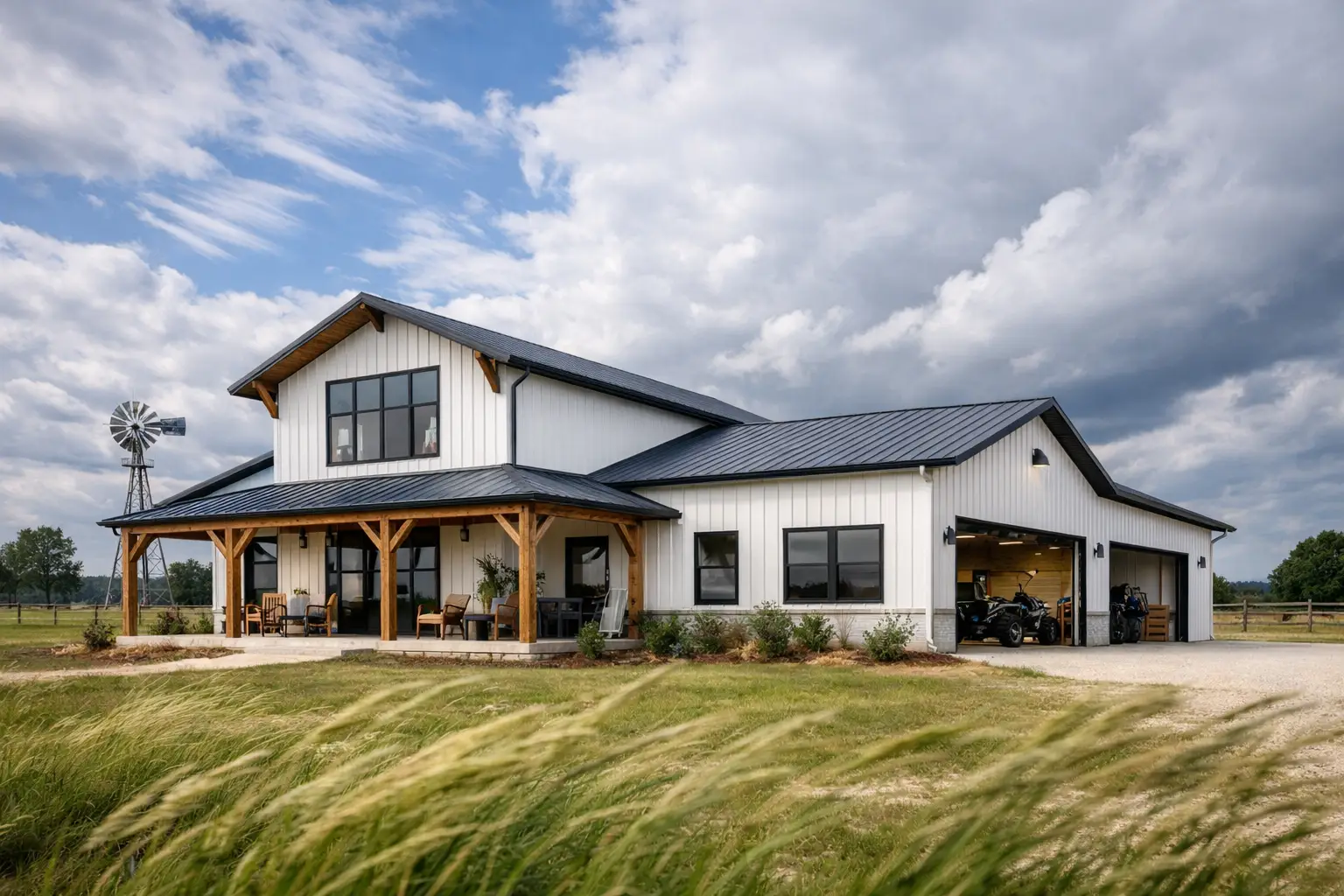
A 120 mph wind rating on paper can look reassuring right up until you realize your county, exposure category, roof shape, and opening sizes may change the building package entirely. That is why an engineered metal building for wind load is not just a stronger version of a standard kit. It is a building system designed around where you are building, how the structure will be used, and how wind actually pushes, lifts, and twists a frame.
If you are planning a barndominium, shop house, warehouse, or commercial steel project, wind load is one of the first structural filters that should shape your layout and pricing. Get that part wrong early, and everything downstream gets harder – engineering, manufacturing, erection, and even finish choices.
What an engineered metal building for wind load really means
In plain terms, it means the steel package has been designed by licensed engineers to meet the wind requirements for a specific project. That includes the building dimensions, roof slope, wall height, door openings, exposure, location, and code requirements. It is not a generic guess. It is a calculated system.
For buyers, that matters because wind load is not only about whether the building stands up in a storm. It also affects frame spacing, secondary steel, bracing, anchor requirements, and panel attachment. Those details influence cost, lead time, and how much flexibility you have with your floor plan.
This is especially relevant for barndominiums. A wide-open living area, a tall RV bay, a covered porch, or a big shop door can all change how the building handles wind. The more custom your layout gets, the less useful a one-size-fits-all quote becomes.
Why wind load changes the building package
Wind does not hit every building the same way. A steel building on open rural land will often see different pressure conditions than one surrounded by trees or nearby structures. A long, low building behaves differently than a taller, narrower one. Large openings can create internal pressure changes that place more demand on the frame and cladding.
That is why engineered pricing can vary even when two projects look similar at first glance. One 40×60 barndominium shell may need a different frame design than another 40×60 shell simply because the site conditions or layout choices are different. Buyers sometimes assume size is the main pricing driver. It matters, but wind design can move the number more than expected.
For example, a modern farmhouse barndominium with deep porch lines and large glass areas may require a different structural approach than a straightforward rectangular shop house plan. Neither is wrong. It just means the structural system should match the design instead of forcing the design to fit a stock package.
The site details that matter most
Before anyone can quote the right system, they need real project information. The building location is the starting point because code requirements are tied to jurisdiction. Beyond that, engineers look at exposure conditions, dimensions, eave height, roof pitch, and opening sizes.
Large overhead doors deserve special attention. A barndominium plan with shop is popular for good reason – it gives you living space and functional storage in one footprint. But adding a 14-foot or 16-foot overhead door changes wall behavior and framing loads. The same goes for open-end lean-tos, porches, and wide glass entry systems.
Roof shape also plays a part. Different slopes and overhang conditions can increase uplift demands. Even small architectural upgrades that improve the look of a barndominium can have structural consequences. That does not mean you should avoid them. It means they should be priced and engineered as part of the actual project, not added later as an afterthought.
Wind load and barndominium floor plans
This is where many buyers get tripped up. They fall in love with a floor plan first, then try to back into a steel package later. Sometimes that works. Sometimes it creates expensive revisions.
A better path is to compare barndominium floor plans with the structural shell in mind from the beginning. Open-concept interiors are usually efficient within a steel frame, but big clear spans, tall great rooms, shop bays, and oversized openings should be coordinated early. That helps avoid redesigning door locations, changing post lines, or compromising the layout after pricing comes back.
If you are still comparing options, it helps to look at plans by function, not just style. A family-focused layout with a moderate shop bay may land in a different structural sweet spot than a full shop house setup with equipment storage and multiple large doors. Both can work well. The right choice depends on how you plan to use the building and what your site requires.
For buyers shopping affordable barndominium plans, this is one of the smartest ways to protect budget. A plan that looks economical on paper may become more expensive if its geometry and openings create a heavier steel package for the wind conditions on your property.
Why generic kit pricing often misses the mark
A lot of online steel building prices are based on simplified assumptions. They may not reflect your actual wind speed requirement, your exposure category, or your layout. That makes them fine for ballpark browsing, but weak for decision-making.
The problem shows up when buyers compare a low preliminary kit price against a fully engineered quote and assume the engineered number is inflated. Usually, it is just more accurate. It includes the structural response your project actually needs.
That is one reason working with a group that understands both floor plans and steel systems saves time. Instead of treating the building shell, the home layout, and the contractor side as separate conversations, the project gets aligned earlier. That tends to reduce rework and sharpen pricing.
Engineered metal building for wind load in Texas and the South
In Texas and across much of the South, wind design is not a side issue. Many buyers are building on open land with little shielding, and regional weather patterns can put real pressure on structural decisions. That is true whether you are planning a primary residence, a weekend barndominium, or a commercial building.
For that reason, it pays to get specific early. A building intended for one county may not carry the same design assumptions as a project a few hours away. If you are comparing Texas barndominiums or rural shop house layouts, that local variation is one more reason not to rely on generic package numbers.
How to shop smarter before requesting pricing
Start with the footprint and use case. Know whether the building is primarily a home, a shop with living quarters, or a mixed-use setup. Then narrow your preferred floor plan range, ceiling heights, door sizes, and exterior features. The clearer those inputs are, the cleaner the quote process becomes.
It also helps to think in trade-offs. A larger open span may improve the interior layout, but it can increase structural demand. Extra porches may boost curb appeal and outdoor living, but they can complicate engineering and erection. Bigger windows and doors can improve function and style, but they also change wall design. Good planning is not about stripping the project down. It is about knowing where the money is going and why.
If you are still weighing options, this is the right stage to browse floor plans, compare layouts, and request pricing based on a realistic concept instead of a rough guess. That makes it easier to match the shell, the engineering, and the construction team to the same plan.
The value of getting the right team involved early
An engineered building is only one part of a successful project. The floor plan, steel package, foundation requirements, and erection approach all need to line up. When those pieces are handled in isolation, buyers end up chasing answers from different vendors who are not accountable to each other.
That is where a coordinated process has real value. Turn Key Building Finder helps buyers move from concept to buildable scope by matching the floor plan, the engineered steel system, and the right contractor path. For a wind-sensitive project, that coordination matters. It reduces guesswork, improves quote quality, and gives you a clearer picture of what your build should actually cost.
The right building is not the cheapest quote in your inbox. It is the one engineered for your site, shaped around your layout, and priced with enough honesty that you can move forward without surprises.