A lot of costly building mistakes start with one question that sounds simple but is not: red iron vs cold formed steel. If you are planning a barndominium, shop, warehouse, storage project, or commercial building, the frame you choose affects price, foundation design, clear span, insulation strategy, erection labor, and how the building performs long term. This is not a minor spec decision. It shapes the whole project.
For most buyers, the confusion comes from hearing both systems called steel buildings, even though they solve different problems. One is not automatically better than the other. The right choice depends on your span requirements, building use, wind and snow loads, future expansion plans, and budget priorities.
Red iron vs cold formed steel: what is the difference?
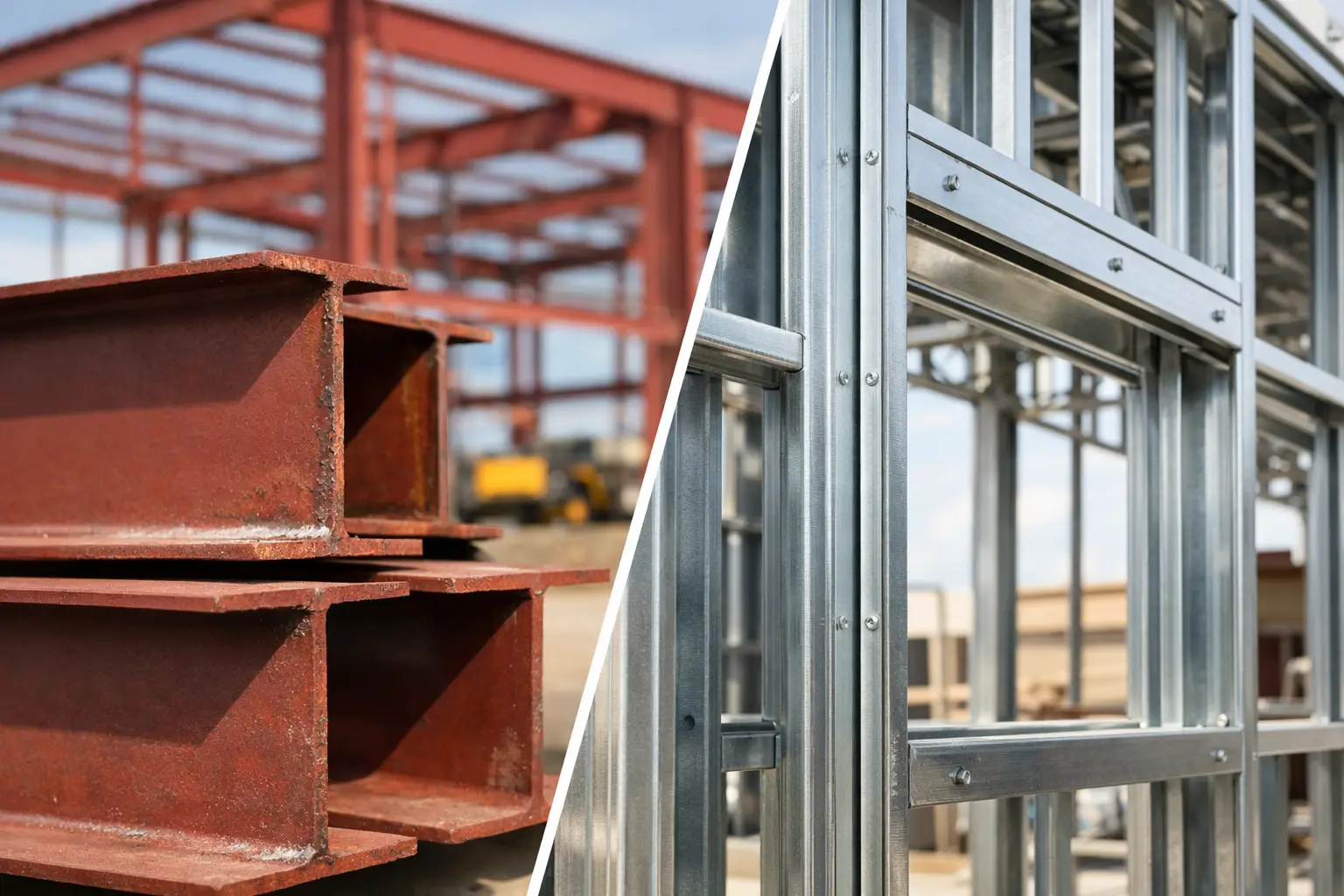
Red iron is a structural steel framing system made from hot-rolled steel. It gets its common name from the red oxide primer often applied at the factory. These buildings typically use rigid frames with I-beam main members and heavy secondary framing designed for larger loads and longer clear spans.
Cold formed steel is made from lighter-gauge sheet steel that is formed into C-sections, Z-sections, channels, and tube shapes without the high-heat rolling process used for structural steel. It is lighter, easier to handle, and often used in smaller-span structures or projects where lower material weight and simplified installation matter.
That basic difference in manufacturing leads to practical differences in engineering, freight, erection, and price. If your project is a backyard workshop, cold formed may fit just fine. If you need a wide-open warehouse or aircraft hangar, red iron is usually the better tool for the job.
When red iron makes more sense
Red iron is the standard choice for bigger commercial and industrial buildings because it handles heavier structural demands well. If you need wide clear spans, taller sidewalls, overhead cranes, mezzanines, large framed openings, or future expansion, red iron usually gives you more flexibility.
This matters in real-world project categories. A mini-storage office and retail front may use one framing approach, while the storage rows behind it may favor another. A small farm shop may work with lighter framing, but a heavy equipment service building with large overhead doors and open interior space often points toward red iron.
The biggest advantage is strength over distance. Red iron systems are commonly used for warehouses, self-storage complexes, manufacturing space, commercial flex buildings, riding arenas, airplane hangars, and large agricultural buildings because they can span farther with fewer interior columns. That creates cleaner floor plans and fewer compromises later.
There is also a labor reality here. Red iron components are heavier and typically require more equipment to erect. You are usually looking at cranes, experienced steel crews, and tighter sequencing. So while red iron can be the better structural system, it may also bring higher installation costs and more coordination on site.
When cold formed steel is the better fit
Cold formed steel works well when the project is smaller, simpler, and more cost-sensitive on the front end. Many garages, workshops, storage buildings, and some residential-style applications can be served well by cold formed framing, especially when clear-span demands are modest.
Because the members are lighter, handling and erection can be easier. That can reduce labor intensity on some jobs, particularly in areas where crane access is difficult or where a simpler install is a priority. Freight can also be more favorable because the building package weighs less.
For buyers focused on a practical enclosed space without demanding structural loads, cold formed steel can be a solid option. It is often attractive for personal shops, small business storage, and straightforward utility buildings where the economics need to stay tight.
That said, lighter framing is not the same thing as universal value. If a building is pushed beyond the span or load conditions where cold formed works best, savings on the front end can disappear quickly in redesigns, added components, or limitations that show up after the slab is poured.
Cost is not just about the steel package
A lot of buyers compare quotes and assume the lower building package price means the better deal. That is where projects get sideways.
In a red iron vs cold formed steel comparison, the cheaper material package does not always produce the cheaper completed building. The full project cost includes engineering, anchor design, foundation requirements, freight, erection labor, insulation details, accessories, and local code compliance.
Cold formed steel may come in lower on the kit itself, especially on smaller buildings. But if your design needs larger spans, taller walls, or heavier loads, the framing can become less efficient. Red iron may cost more up front but save money by delivering a better structural solution with fewer compromises.
Foundation costs can go either direction depending on the exact design. A heavier red iron structure may imply more substantial reactions at certain points, but a poorly matched cold formed design can also create its own foundation and bracing demands. There is no honest one-size-fits-all answer without the engineered building layout.
This is why early planning matters. Comparing building systems without comparing the actual intended use is how people end up buying the wrong kit for the job.
Clear span, interior layout, and future use
One of the biggest dividing lines between these systems is interior space planning. If you need uninterrupted floor area for vehicle lifts, equipment storage, batting cages, horse arenas, warehouse racking, or aircraft movement, clear span matters more than many first-time buyers realize.
Red iron generally gives you more room to solve for those needs. It is well suited to larger open interiors and taller, wider door openings. That is a major reason it remains common in commercial and industrial metal buildings.
Cold formed steel can still be a good fit where the building footprint is moderate and the interior layout is less demanding. If the main goal is enclosed storage, a personal shop, or a straightforward outbuilding, it may provide exactly what you need without paying for structural capacity you will never use.
The question to ask is not just what the building needs to do on day one. Ask what it may need to do five or ten years from now. A building that starts as a farm shop may later house bigger equipment. A storage building may turn into a business location. A barndominium plan may grow into a combined living and workshop concept. Framing choice should leave room for the future when possible.
Climate, codes, and location matter
A building in Texas is not engineered the same way as one in Michigan or Florida. Snow loads, wind exposure, seismic factors, and local code enforcement all affect what frame system makes sense.
This is one reason internet advice can be misleading. Someone may say cold formed was the cheapest option on their shop, but their load requirements, dimensions, and permitting environment may be nothing like yours. The same goes for red iron. A system that pencils out well in one region may not be the best value in another.
For U.S. buyers, especially those developing rural land or building in areas with high wind or mixed use requirements, engineered plans need to come before assumptions. The frame has to match the site, not just the budget target.
Which system is better for barndominiums?
This depends on the design. Smaller and simpler barndominium shells can work with cold formed steel, especially if the spans are modest and the layout is efficient. But many barndominium buyers want wide open living areas attached to garages, shops, porches, or tall RV bays. That often moves the project toward red iron.
The residential side of the plan also adds complexity with insulation, interior finishing, mechanical runs, and attachment details. A building system that works well for a storage structure is not always the best choice for a lived-in space.
For barndominium projects, the best path is usually to start with the floor plan and intended use, then match the framing system to it. That avoids forcing the home design to fit a building package that was selected too early.
The right choice starts with the right questions
If you are deciding between these systems, do not start with which one is supposedly cheaper. Start with span, height, openings, occupancy, climate loads, interior use, and who is going to erect it. Those answers usually narrow the field fast.
That is where having one point of contact helps. At Turn Key Building Finder, the goal is to match the building system to the project instead of forcing the project into a generic kit. That saves time, cuts down bad quotes, and helps avoid the kind of mismatch that shows up later as change orders and jobsite headaches.
The best building is not the one with the lowest sticker price. It is the one that fits the use, the site, and the budget without creating problems downstream. If you get that part right early, the rest of the project gets a whole lot easier.
Leave a Reply