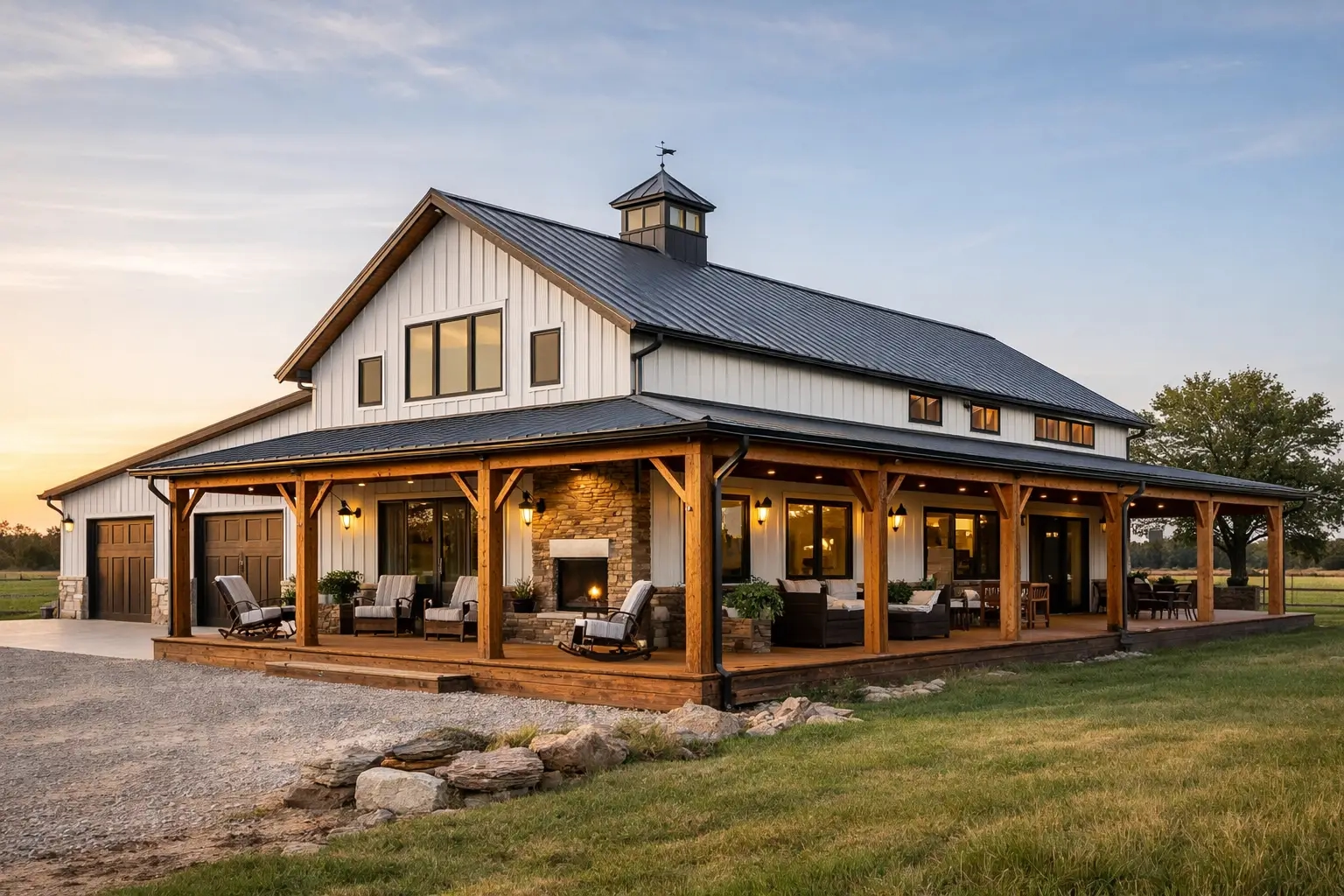
A wraparound porch changes how a barndominium lives day to day. It is not just curb appeal. It is shade on hot afternoons, a dry path around the house in bad weather, and extra outdoor living space that can make a modest layout feel much bigger. This wraparound porch barndominium guide is built to help you choose a floor plan that looks right on paper and works well once you move in.
Most buyers start with the porch because they already know the feeling they want. Morning coffee on one side. A wider seating area on the back. Easy access from the main living space. The mistake is treating the porch like an add-on instead of part of the floor plan. With a barndominium, the porch affects room placement, window layout, traffic flow, and even how large the interior feels.
🏡 Browse Floor Plans →
What a wraparound porch should do for the floor plan
The best wraparound porch plans do more than trace the outline of the house. They create useful outdoor zones while supporting the interior layout. That usually means the porch is widest where you will actually spend time, most often near the great room, kitchen, or primary suite, and narrower where it mainly serves as a covered walkway.
This is where a lot of plan shopping gets easier. Instead of asking whether a porch wraps around two sides or three, ask how the porch connects to the rooms you care about most. If the family room opens directly to a deep covered section, you get a real outdoor living area. If the porch reaches the primary bedroom, you gain a quieter retreat. If it wraps around bedrooms with no direct access and only small windows, it may look impressive from outside but add less value to daily life.
A good porch also helps the home sit better on the land. On a wide rural lot, a long front and side porch can make a one-story barndominium feel grounded and welcoming. On a more view-driven site, the rear porch matters more than the front, and the wraparound effect should support where you want to spend time.
Wraparound porch barndominium guide to layout choices
When buyers compare barndominium floor plans with wraparound porch designs, they usually land in one of three categories. The first is the compact family layout, where the porch adds living space without forcing the interior to grow too large. These plans often work well for 2-bedroom barndominium plans or efficient 3-bedroom layouts because the porch creates breathing room outside while keeping the heated square footage under control.
The second is the classic open-concept layout. This is one of the strongest matches for a wraparound porch because the living, dining, and kitchen areas can all borrow from the porch visually and functionally. Large windows, one or two exterior doors, and a vaulted common area can make the entire center of the home feel connected to the outdoors.
The third is the larger family or entertaining layout. In 4-bedroom barndominium plans or luxury barndominium floor plans, the porch often becomes a series of destinations instead of one continuous strip. You may have a front sitting area, a side grilling zone, and a back section designed for gatherings. That can work very well, but only if the plan keeps those areas connected to the right rooms.
If you are still comparing options, browsing barndominium floor plans and broader floor plans side by side helps clarify what kind of porch layout matches your square footage goals. Buyers who want more vehicle or hobby space should also compare barndominium plans with shop and RV garage floor plans early, because a large attached shop or garage changes how the porch can wrap around the structure.
The room placements that matter most
The kitchen is usually the anchor. If your porch is meant for entertaining, the kitchen should have a short, simple path to the most usable outdoor section. A door from the dining area or kitchen wall often works better than forcing traffic through the center of the living room.
The primary suite is the next decision point. Some buyers want porch access from the primary bedroom, especially on larger lots where privacy is easier to maintain. Others would rather keep the suite more enclosed and give the best porch access to shared living areas. Neither option is automatically better. It depends on whether you want the porch to function more like a private retreat or an everyday extension of the household.
Secondary bedrooms need more thought than most buyers expect. A wraparound porch passing directly outside bedroom windows can reduce privacy. In some plans, that is solved with a narrower side porch, different window placement, or by shifting bedrooms to a wing that does not open to the busiest outdoor sections.
Mudrooms, pantries, and laundry rooms also matter. In a practical floor plan, these service spaces can act as a buffer between the most public porch areas and the more private zones of the home. That is especially useful if you want a shop house layout or a garage connection without having every route into the home pass through the main living room.
One story or two story
A one-story wraparound porch barndominium usually gives the cleanest result. The porch feels integrated, circulation is simple, and the home has the broad, classic profile many buyers want. It is also easier to create multiple access points without making the upper level dictate the exterior shape.
Two-story barndominium plans can still work well with a wraparound porch, but the proportions have to be handled carefully. A full porch below a tall second floor can look great on some homes and heavy on others. Functionally, the question is whether the porch improves the main level enough to justify the extra footprint. If most bedrooms are upstairs and the first floor is already tight, the porch should still serve the rooms where people actually spend time.
For many families, one-story plans under 2000 square feet hit the sweet spot. You get the visual impact of a wraparound porch and the ease of open-concept living without stretching the budget as far as a larger two-story design.
Porch depth, corners, and usable space
Not all porch square footage is equally useful. A narrow wraparound porch may be enough for rocking chairs and circulation, but not for dining or lounging. If outdoor living is a priority, pay attention to where the porch deepens. A wider section at the back or near the great room often does more than making every side the same width.
Corners deserve special attention too. They look great in renderings, but in real use they can either become favorite sitting spots or awkward dead zones. The difference usually comes down to depth, furniture clearance, and door placement. If a corner section is blocked by traffic to the front door or back entry, it may never be used as intended.
Screened sections are another smart option in some states, especially where heat, humidity, and bugs can limit how often an open porch gets used. In parts of Texas, Arkansas, Tennessee, Georgia, and Florida, this can be the difference between a porch that is ornamental and one that becomes part of everyday life.
Matching the porch to plan type
If you want a smaller footprint, 2-bedroom barndominium floor plans with wraparound porch features often work best when the porch carries more of the lifestyle load. You keep the interior efficient and let the porch create extra room for relaxing and entertaining.
For 3-bedroom barndominium plans, the porch often becomes a balancing tool. It can give the public areas more breathing room while keeping bedrooms tucked into a quieter side of the layout.
With 4-bedroom plans, the challenge is avoiding a house that feels stretched out without purpose. The porch should tie together major living zones, not just trace the perimeter because there was exterior wall available.
If you need vehicle storage, hobbies, or workspace, compare barndominium floor plans with shop options carefully. A wraparound porch can still fit beautifully, but the best plans usually treat the shop or garage as a distinct mass rather than trying to wrap the same porch equally around every section.
Before you choose a plan
This is the point where buyers save themselves time and money. Look at the plan from the inside out. Where will you enter most often? Which porch section will be used at 8 a.m. and at 7 p.m.? Do you want privacy from the road, or do you want a front porch that acts as the social face of the home?
It also helps to think about future flexibility. A customizable barndominium plan may let you widen one porch section, move a door, or adjust the primary suite access without redrawing the entire home. Those are small changes on paper that can make a big difference once the house is built.
If you are comparing options, start with barndominium floor plans that already include a wraparound porch rather than trying to force one onto a layout that was not designed for it. The stronger the original plan, the fewer compromises you make with structure, room flow, and usable outdoor space.
The right wraparound porch barndominium is not the one with the most porch footage. It is the one where the porch and the floor plan work together so naturally that the whole house feels easier to live in. That is the plan worth moving forward with.